


-

Add: HeBei ShengShi HongBang Cellulose Technology CO.,LTD.
-

Email
13180486930@163.com -

CONTACT US
+86 13180486930
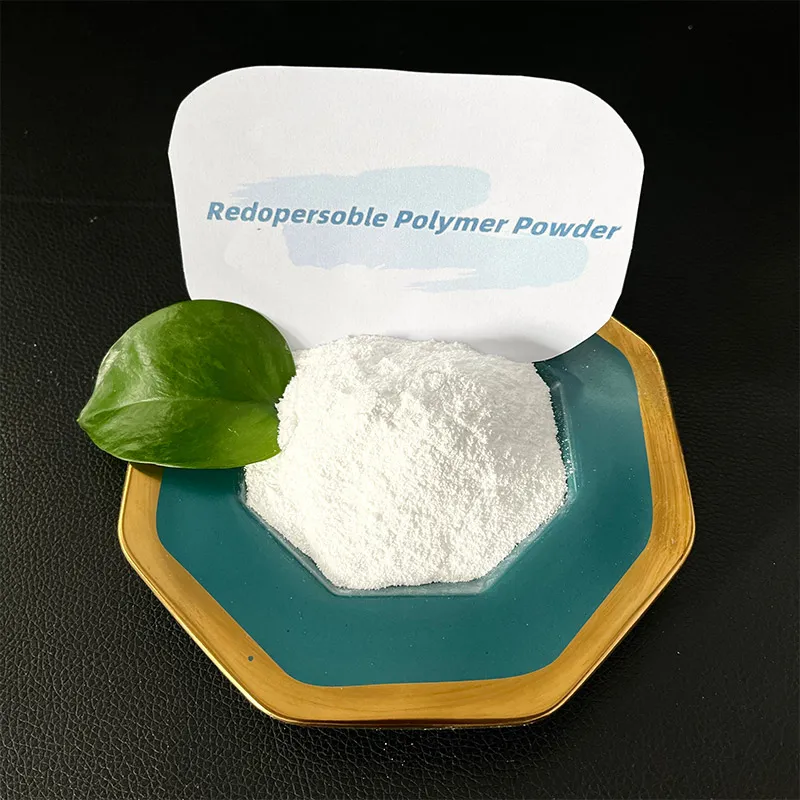
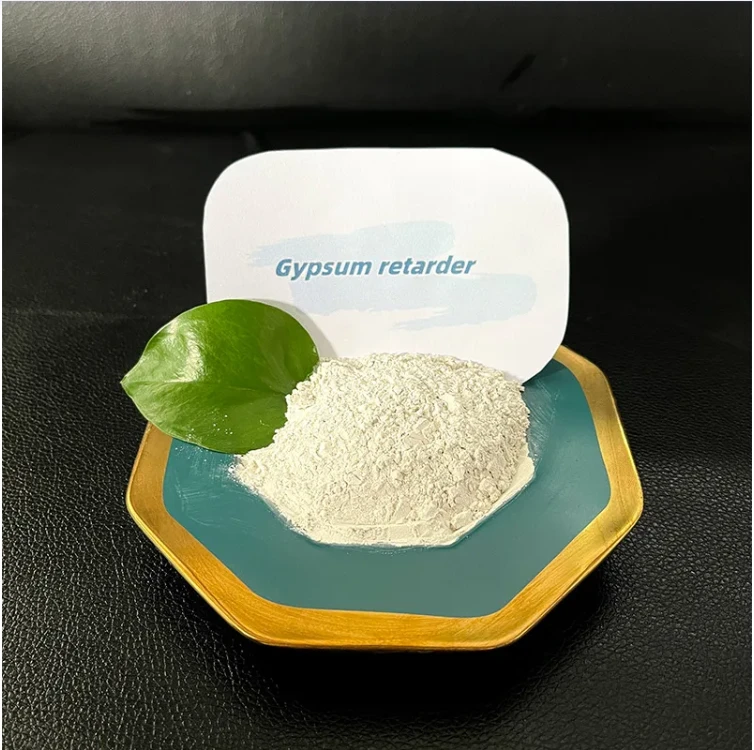
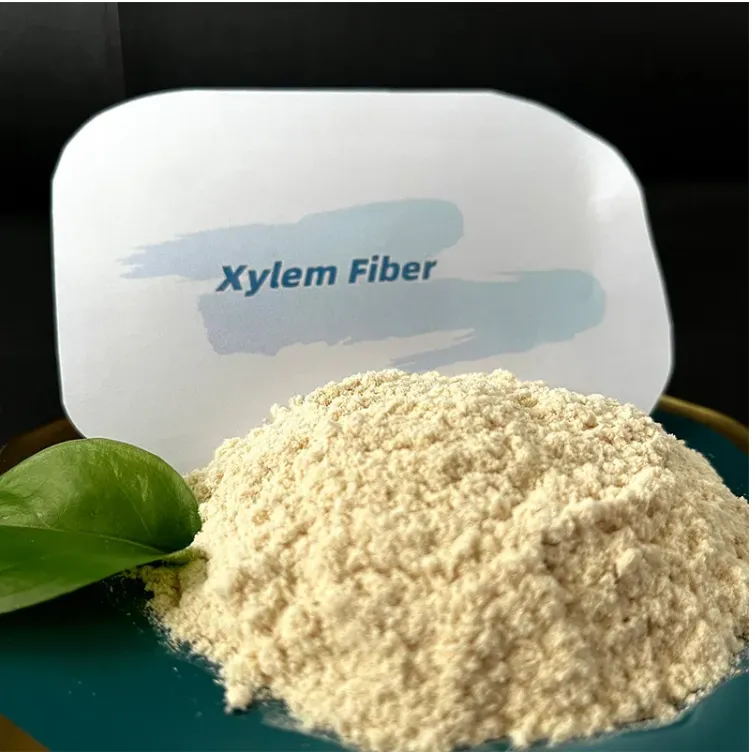
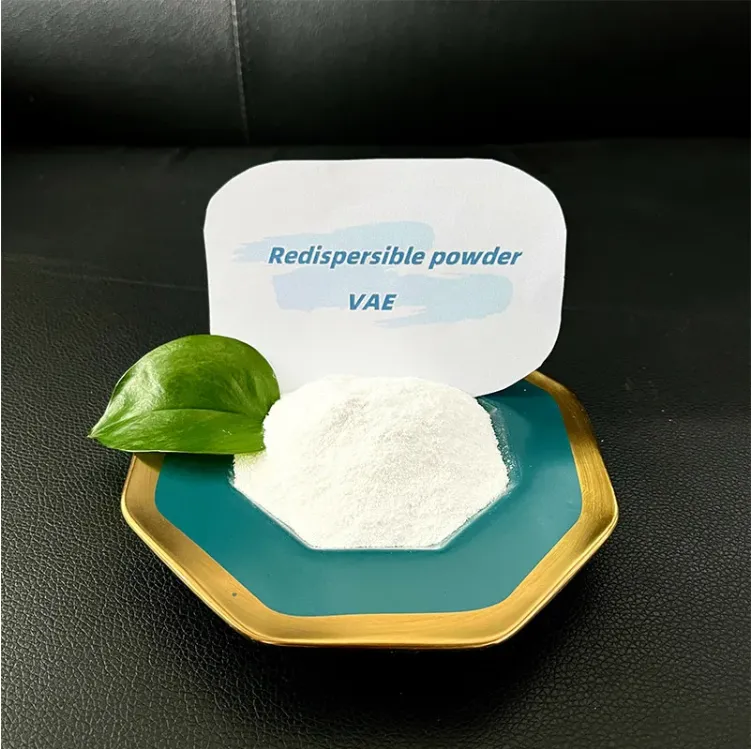
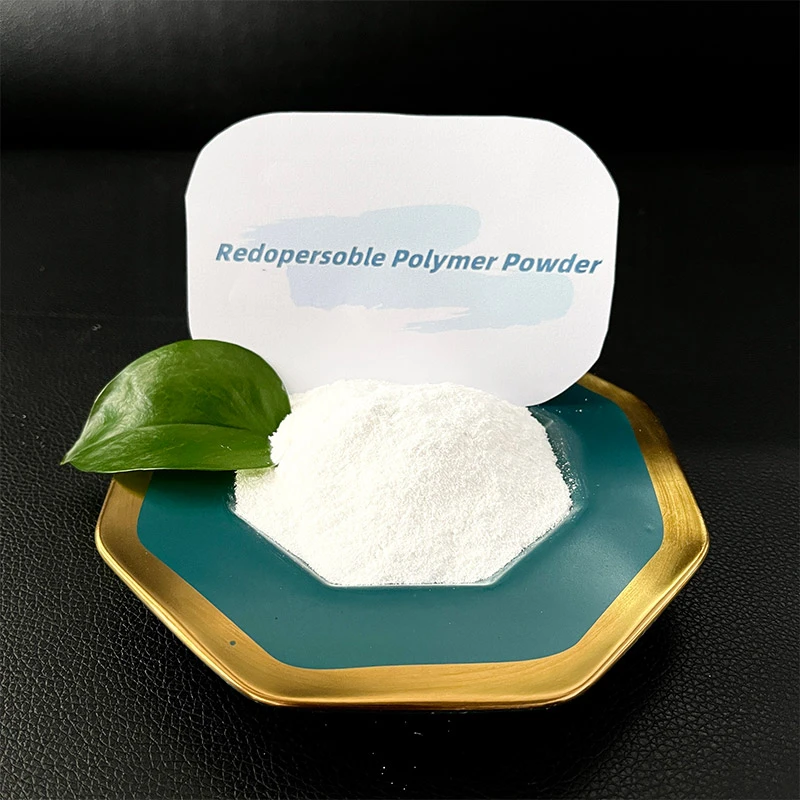
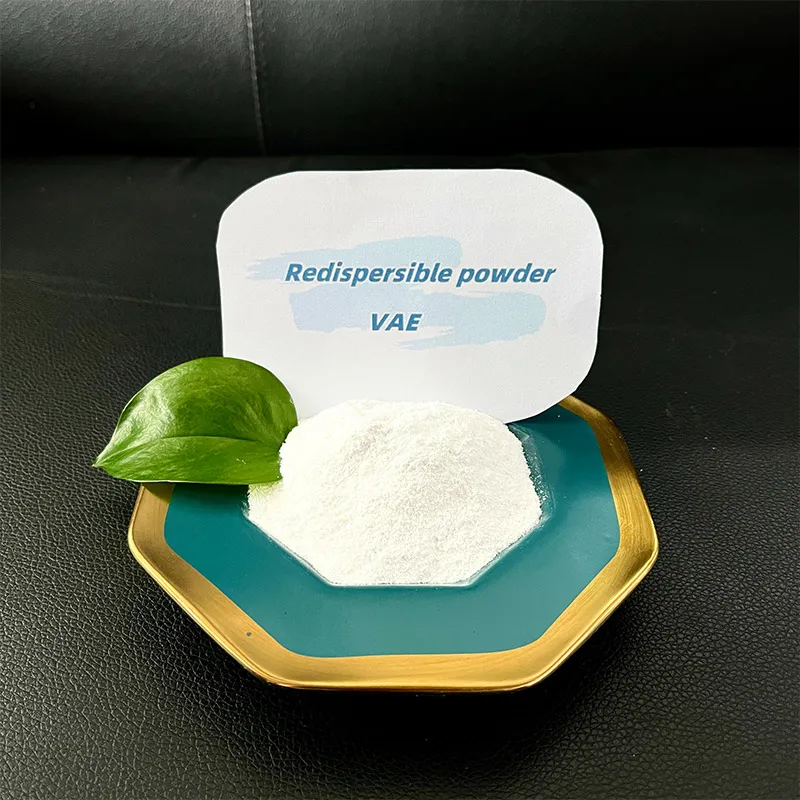


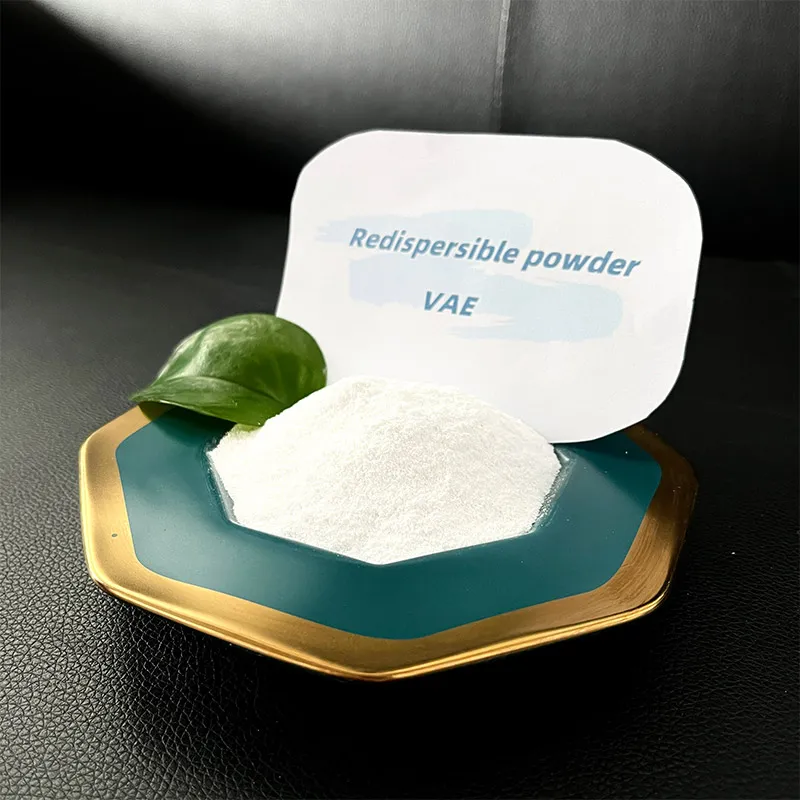
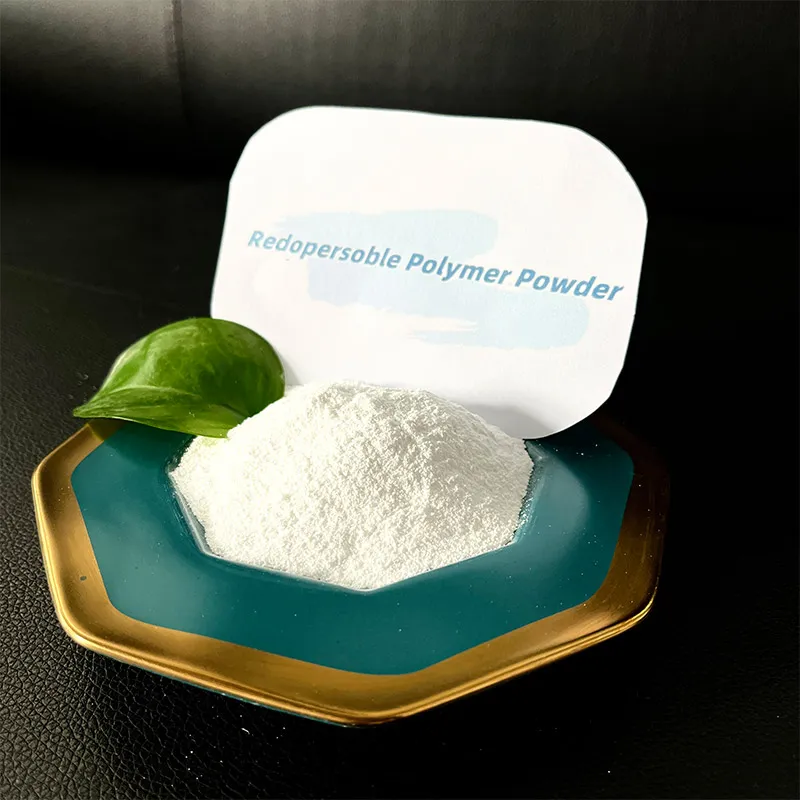
Polymer powder is a key ingredient in many industries, providing critical properties to products in construction, adhesives, coatings, and more. With its wide range of applications, polymer powder enhances the performance, durability, and flexibility of finished products. Available in various forms, polymer powder s can be tailored to meet the specific needs of different applications, making them a versatile choice for manufacturers worldwide. Whether you're working in construction, paints, or textiles, polymer powder offers the ideal solution for improving your products’ functionality. Explore Our Range of Colored Polymer Powder If you need vibrant, long-lasting colors in your products, colored polymer powder is the way to go. Whether you're producing construction materials, decorative coatings, or consumer goods, colored polymer powder offers an efficient way to introduce rich, stable colors into your products. Our premium colored polymer powder is designed to maintain its brightness and consistency, ensuring your products stand out. With a wide selection of shades, you can achieve the exact color you need while maintaining high quality and performance. The Benefits of Redispersible Polymer Powder Redispersible polymer powder is a game-changer in many industrial applications. Unlike traditional resins, redispersible polymer powder can be re-dispersed in water to create a solution, which offers greater convenience and efficiency for various processes. Widely used in adhesives, tile grout, and plaster, redispersible polymer powder enhances bonding strength, flexibility, and durability. This type of polymer powder is particularly valued in the construction and building materials sectors, providing superior performance while reducing transportation and storage costs. Discover the many benefits of using redispersible polymer powder in your formulations today. What Influences Polymer Powder Price? When considering polymer powder price , it’s important to understand the factors that affect the cost. The polymer powder price can vary depending on the type of polymer used, the quantity purchased, and the specific application for which the powder is intended. High-performance polymer powder may be priced higher due to its specialized formulations, while larger orders typically reduce the cost per unit. Additionally, polymer powder price can also depend on the presence of additives, colorants, and whether the polymer powder is customized for particular applications. To ensure you're getting the best value for your needs, always consider both the performance and the cost-effectiveness of the polymer powder price . Why Choose Our Polymer Powders for Your Business? Our polymer powder products are crafted with the highest standards of quality and performance, ensuring that your manufacturing processes run smoothly. From colored polymer powder to redispersible polymer powder , we offer a comprehensive selection that suits a wide variety of industries. Our polymer powder solutions are designed to enhance the quality of your final products, increase production efficiency, and offer cost-effective solutions for your business. With competitive polymer powder price s, we guarantee the best value for your investment. Whether you need a specialized formula or a standard polymer powder , our products are the perfect addition to your production line. Polymer Powders FAQs What is polymer powder? Polymer powder is a fine, dry material made from polymers, typically used in various industrial applications to improve the properties of products like adhesives, coatings, and construction materials. It is valued for its ability to enhance flexibility, strength, and durability in the final product. Polymer powder can come in different types, such as colored polymer powder or redispersible polymer powder , each serving specific functions depending on the industry. What is colored polymer powder used for? Colored polymer powder is primarily used to add vibrant colors to products such as construction materials, coatings, and consumer goods. The color pigments are stable and long-lasting, ensuring that the final product maintains its color over time, even under challenging conditions. It’s ideal for applications where both color and performance are important, making it perfect for industries like construction, automotive, and packaging. What is redispersible polymer powder and how is it used? Redispersible polymer powder is a special type of polymer powder that can be re-dispersed in water, forming a solution that can be easily applied in a variety of industrial processes. It’s commonly used in adhesives, tile grouts, and plaster, where it improves bonding strength, flexibility, and water resistance. The ability to re-dispense the polymer powder in water makes it a more convenient and cost-effective solution for many manufacturing processes. How does the polymer powder price vary? The polymer powder price depends on several factors, including the type of polymer used, the quantity purchased, and whether any special additives or colors are involved. Specialty redispersible polymer powder sand colored polymer powder s often come at a higher price due to their advanced formulations. Additionally, larger volume purchases can reduce the polymer powder price per unit, offering better cost-effectiveness for bulk orders. Why should I choose your polymer powders? Our polymer powder sare craftedto meet the highest standards of quality, ensuring that your products perform at their best. We offer a wide selection of colored polymer powder s and redispersible polymer powder s, all designed to enhance the durability, flexibility, and performance of your products. Our polymer powder price is competitive, offering you the best value for your investment. Whether you’re in construction, coatings, or any other industry, we have the perfect polymer powder solution for you.
- 40000tons

Production
- 20+years

Experience
- 5000+㎡

Acreage

-

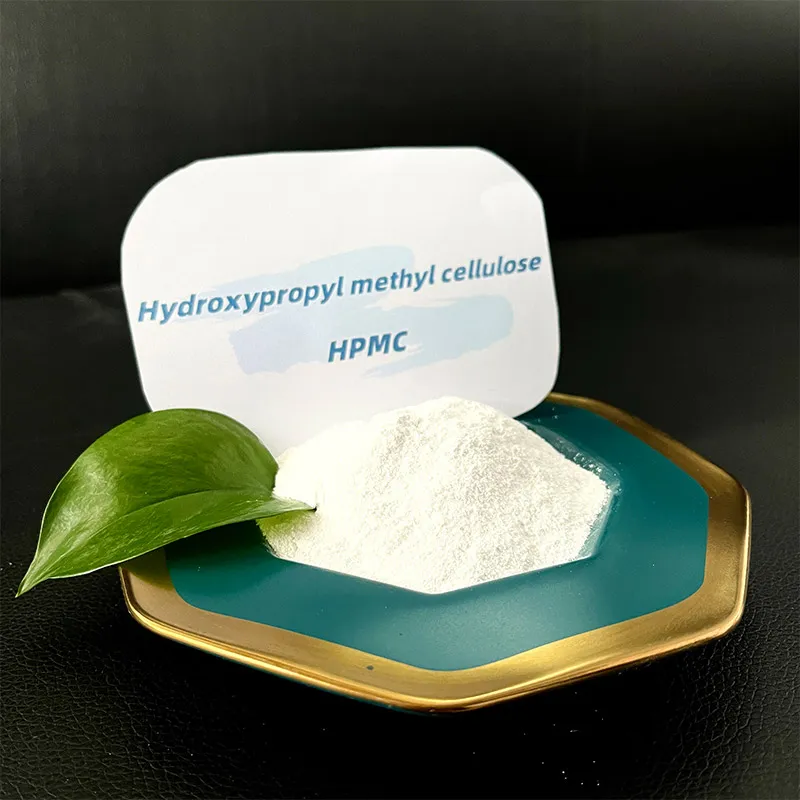
In the rapidly evolving world of construction and pharmaceuticals, the rising star of sustainable materials is Hydroxypropyl Methylcellulose (HPMC) cellulose. This remarkable polymer, derived from plant resources, is transforming the efficiency and sustainability of various sectors. As industries strive for eco-friendly alternatives, HPMC cellulose stands out, combining natural origin with technological sophistication. Hydroxypropyl Methylcellulose, often referred to as HPMC, originates from cellulose, the most abundant polymer on Earth. This crucial building block of plant cell walls offers unique properties when modified chemically. Through a sophisticated process, cellulose is treated to create HPMC, a water-soluble substance that maintains stability across a range of temperatures and pH levels. This adaptability makes it indispensable in multiple applications, asserting its authority in the search for innovative industrial solutions. In construction, HPMC cellulose is revolutionizing processes by enhancing the performance of cement-based products. Its inclusion in construction mixes improves workability, water retention, and adhesion—crucial factors in ensuring the longevity and integrity of structures. Builders and contractors have reported reduced cracks and increased strength in finished products, demonstrating its expertise in addressing common structural challenges. This real-world experience underscores HPMC cellulose's superiority over traditional additives, contributing to more sustainable and durable buildings. The pharmaceutical sector, too, benefits from the versatility of HPMC cellulose. Its use in drug formulation is a testament to its credibility and trustworthiness. As an excipient, it facilitates the controlled release of active ingredients, ensuring that medications deliver effects precisely and reliably. Patients and medical professionals have noted the improved efficacy of treatments containing HPMC, reinforcing its standing as a staple in modern medicine. Moreover, its role in enhancing the solubility and bioavailability of drugs further substantiates its importance, providing evidence of its critical function in healthcare advancements. celulosa hpmc Personal care and cosmetic industries are not left behind in this cellulose renaissance. HPMC is used as a thickening and stabilizing agent in creams, lotions , and shampoos. Its non-toxic and hypoallergenic properties make it ideal for products designed for sensitive skin. Consumers have shared positive feedback regarding the texture and effectiveness of personal care items containing HPMC, corroborating its reputation for safety and performance. As an authority in product formulation, HPMC cellulose aligns perfectly with the growing demand for natural and environmentally friendly beauty solutions. While the practical applications of HPMC cellulose are diverse, ongoing research continues to unlock new potentials and refine its use across industries. Experts are exploring further modifications and combinations with other sustainable materials to enhance its properties and extend its applicability. The relentless pursuit of innovation ensures that HPMC cellulose remains at the forefront of eco-friendly technological advancement, reinforcing its position as a critical material for the future. As the world increasingly turns towards sustainability, HPMC cellulose offers a trustworthy path forward. Its widespread application and proven benefits in construction, pharmaceuticals, and personal care underline its essential role in developing products that are not only effective but also environmentally conscious. For professionals and consumers alike, embracing HPMC cellulose means investing in a sustainable future supported by real-world evidence and expert endorsement. In conclusion, Hydroxypropyl Methylcellulose (HPMC) cellulose exemplifies the perfect fusion of natural origin and scientific ingenuity. Its consistent performance across varied applications speaks volumes about its versatility and reliability. For industries aiming to enhance product performance while reducing environmental impact, HPMC stands as a beacon of sustainable progress, embodying the qualities of experience, expertise, authoritativeness, and trustworthiness that are crucial in today's market.
-
Low melt polyester staple fiber is carving out a critical niche across various industries due to its unique attributes and versatile applications. This high-performance fiber is revolutionizing the way manufacturers approach product development, blending exceptional functional properties with environmental benefits. Low melt polyester staple fiber (LMPSF) is engineered to combine superb thermal bonding capabilities with excellent mechanical strength . This fiber differs fundamentally from standard polyester fibers because its melting point allows it to integrate seamlessly into various nonwoven fabrics and textile composites. During manufacturing, these fibers are exposed to temperatures just high enough to melt them slightly, bonding the fibers together without compromising the structural integrity of the surrounding materials. This intrinsic bonding capacity makes LMPSF an ideal choice for industries focusing on sustainability and efficiency. One of the most compelling aspects of LMPSF is its significant contribution to eco-friendly manufacturing processes. As industries gravitate towards sustainable practices, LMPSF provides a solution that minimizes the need for chemical adhesives, thereby reducing airborne pollutants and the associated health risks during production. Additionally, these fibers contribute to energy savings by operating effectively at lower temperatures, decreasing the overall energy consumption of manufacturing systems. These eco-centric advantages make LMPSF an appealing choice for manufacturers committed to reducing their carbon footprint while maintaining product quality and performance. Moreover, LMPSF's versatility extends into a wide array of applications, serving sectors such as automotive, construction, hygiene products, and even fashion. In the automotive industry, for example, these fibers are used to produce lightweight yet durable interior components—enhancing fuel efficiency through weight reduction without sacrificing safety or aesthetic quality. The construction industry benefits from LMPSF through its usage in geotextiles, which provide erosion control and soil stabilization, offering increased longevity and reliability for infrastructure projects. From a technical perspective, the fiber's strong resistance to wear and environmental stressors makes it a preferred choice for high-demand applications. In hygiene product manufacturing, LMPSF is utilized in products like diapers and sanitary napkins, ensuring comfort and safety due to its hypoallergenic properties and non-toxic nature. Furthermore, the fashion industry leverages LMPSF in innovative ways—creating garments that are lightweight, breathable, and resistant to wrinkles, thus enhancing product durability and consumer satisfaction. low melt polyester staple fiber Expertise in handling LMPSF is crucial for manufacturers aiming to maximize its potential. Industry specialists, through rigorous testing and application trials, have established best practices to optimize the fiber's bonding properties and integrate it effectively into existing production lines. The development of sophisticated blending techniques ensures that products maintain a delicate balance between softness and structural integrity, which is pivotal in applications like upholstery and home textiles. In terms of authoritativeness, manufacturers and suppliers with extensive experience and strong track records in LMPSF production stand out. They invest in advanced research and development programs and adherence to stringent quality standards to continually enhance fiber performance. Such commitments to quality and innovation solidify their position as leaders within the industry, instilling confidence among their clients regarding the delivery of reliable and high-quality products. Trustworthiness in the industry is underscored by transparency and compliance with regulatory standards. Reputable suppliers of LMPSF not only comply with international safety and environmental regulations but also engage in voluntary certifications that highlight their dedication to sustainability and product excellence. This level of transparency ensures that clients receive products that are not only effective but ethical, reinforcing long-term business relationships built on trust. In conclusion, low melt polyester staple fiber is not merely a product; it represents a forward-thinking approach to manufacturing that aligns with contemporary demands for efficiency, sustainability, and high performance. By fostering innovation and adhering to the highest standards of quality, LMPSF continues to redefine industry benchmarks and spur significant advancements across multiple sectors, setting a precedent for future developments in fiber technology.
advantages
-

200000 Viscosities
Excellent product
We can produce pure products up to 200,000 viscosities
-

40000 tons
High yield
We don’t stop production all year round, and the annual output can reach 40,000 tons
-

24 hours
Quality service
We provide 24-hours online reception service, welcome to consult at any time
———— Inquiry Form
Schedule A services

-
 sample_available
Oct . 25, 2025
Hydroxypropyl methyl cellulose (HPMC) serves as a multifunctional polymer , gaining prominent attent -
 polymer_for_detergent_powder
Oct . 25, 2025
The Emergence of Wood Pulp Fiber A Sustainable Alternative In recent years, the pursuit of sustainab -
 is_wood_pulp_cellulose
Oct . 25, 2025
In the quest for advanced pharmaceutical solutions, HPMC Dextran 70 emerges as a significant player,


